
Choosing the best fertilizer for bulbs is essential for ensuring strong root development and colorful, healthy blooms. Bulb plants have unique nutrient needs, often requiring fertilizers with balanced phosphorus and potassium to promote growth and flowering. Below is a summary table featuring five well-known fertilizers suited for different bulb types, organic options, and various application methods.
| Product | Brand | Type | Key Nutrients | Use |
|---|---|---|---|---|
| Espoma Organic Bulb-Tone 3-5-3 Fertilizer | Espoma | Granular Organic | N-P-K 3-5-3 with 6% Calcium | All Spring & Fall bulbs, planting & post-bloom feeding |
| Burpee Bone Meal Fertilizer | Burpee | Organic Bone Meal | High in Phosphorus & Calcium | Root development, for bulbs, vegetables, and patio plants |
| TPS Nutrients Liquid Bulb Plant Food | TPS Nutrients | Liquid Fertilizer | Complete NPK formula | All bulbous plants, promotes roots and blooms |
| Jobe’s Organics Granular Bone Meal Fertilizer | Jobe’s Organics | Granular Organic Bone Meal | NPK 2-14-0 | Bulbs, tomatoes, roses, flowering plants |
| Lilly Miller Bulb & Bloom Food 4-10-10 | Lilly Miller | Granular Fertilizer | N-P-K 4-10-10 | Promotes vigorous blooms and growth |
Espoma Organic Bulb-Tone 3-5-3 Fertilizer for Bulbs

This organic granular fertilizer is designed specifically for both fall bulbs like tulips, daffodils, crocus, hyacinths and spring bulbs such as gladioli and lilies. It contains a balanced 3-5-3 NPK ratio enriched with 6% calcium, crucial for strong root systems and vibrant flowers.
The formula is enhanced with Espoma’s proprietary Bio-tone technology, making it environmentally safe with no toxic ingredients, sludges, or harmful chemicals. It is easy to apply by placing it directly in the planting hole or sprinkling around established plants. Its organic formulation supports sustainable gardening practices.
Best results occur when used at planting and as a post-bloom feed to replenish soil nutrients.
Burpee Bone Meal Fertilizer for Strong Root Development

Burpee Bone Meal is a natural, organic source of phosphorus, calcium, and nitrogen, vital for robust root development and healthy blooms. It releases nutrients slowly, providing steady feeding throughout the growing season, making it ideal for bulbs, vegetables, and container plants.
This OMRI-listed fertilizer safely supports organic gardening and helps deter unwanted garden pests like rabbits. Simply mix it into potting soil or garden beds during planting or seed starting to promote vigorous growth.
Its slow-release characteristics reduce the risk of fertilizer burn and optimize nutrient uptake.
TPS Nutrients Liquid Complete Bulb Plant Food
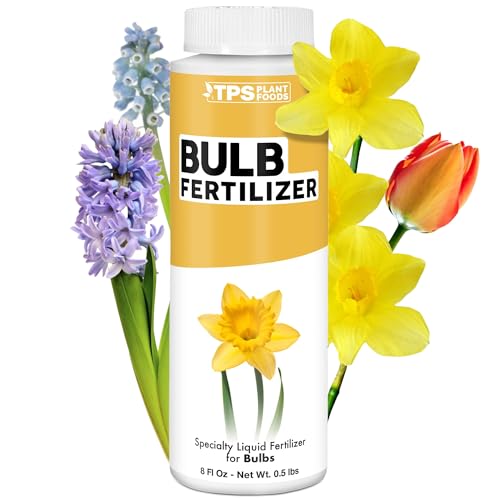
This liquid fertilizer offers a complete nutrient solution formulated to support healthy roots and vibrant blooms in all bulbous plants. It comes with easy directions for application, allowing precise feeding during different growth stages.
Liquid formulations provide quick nutrient absorption, particularly useful for container-grown bulbs or supplemental feeding during the growing season. It’s especially effective for gardeners needing a fast-acting fertilizer solution.
Ideal for those seeking a versatile fertilizer option beyond granular forms.
Jobe’s Organics Granular Bone Meal Fertilizer

Jobe’s Organics provides a 4-pound bag of bone meal fertilizer formulated with a 2-14-0 NPK ratio to specifically fuel bulbs, flowering plants, and vegetables. Certified organic and OMRI listed, it excludes synthetic chemicals, ensuring safe use for sustainable gardens.
The granular formula lowers runoff risks and minimizes mess or odors, delivering phosphorus and calcium to encourage strong roots and abundant flowers. It’s a practical choice for gardeners who prefer bone meal’s traditional slow nutrient release.
The product’s USDA organic listing verifies its suitability for organic vegetable beds and ornamental gardening.
Lilly Miller Bulb & Bloom Food 4-10-10 Fertilizer
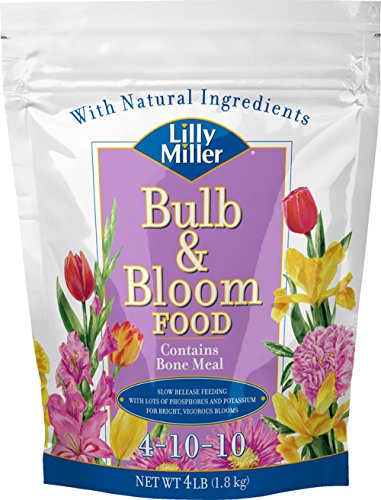
This granular fertilizer combines phosphorus and potassium in a 4-10-10 NPK ratio, ideal for producing bright, vigorous bulb blooms. Its slow-release formulation feeds plants steadily, reducing nutrient loss and the risk of fertilizer burn.
Manufactured in the USA, this fertilizer is suitable for a variety of bulb species needing extra bloom support. The emphasis on potassium aids flower size and color intensity, making it good for gardeners seeking showy flowering bulbs.
It supports sustained feeding throughout the bulb growth cycle, enhancing overall plant health.
Buying Guide: Choosing the Best Fertilizer for Bulbs
Key Nutrient Ratios (N-P-K) for Bulbs
Bulbs generally benefit from fertilizers higher in phosphorus (P) and potassium (K) which support root development and flower production. A balanced fertilizer like 3-5-3 or 4-10-10 helps strengthen roots and promote vibrant blooms. Nitrogen (N) should be moderate to avoid excessive leafy growth at the expense of flowers.
Organic vs. Synthetic Fertilizers
Organic fertilizers such as bone meal or Espoma’s Bulb-tone provide nutrients slowly while improving soil health and microbial activity. They are favored by eco-conscious gardeners. Synthetic options may offer faster nutrient availability but can risk burning bulbs if over-applied.
Application Method and Timing
- Granular fertilizers are usually mixed into planting holes or spread around established bulbs. They provide slow nutrient release.
- Liquid fertilizers offer quicker nutrient absorption and are effective for container-grown bulbs or supplemental feeding.
- Best applied at planting or post-bloom to replenish soil nutrients and enhance future growth cycles.
Soil Type and Climate Considerations
Consider your soil pH and texture. Bone meal is especially beneficial in acidic soils, while balanced organics are compatible with most garden soils. In colder climates, delayed feeding post-bloom helps bulbs store energy for winter.
Additional Benefits
- Some bone meal fertilizers also deter pests naturally.
- Bio-tone-enhanced formulas improve root colonization by beneficial microbes.
Choosing the right fertilizer depends on your bulb types, gardening style, and preference for organic versus synthetic products. Using the proper fertilizer ensures healthy bulbs with vibrant, lasting blooms season after season.