
Choosing the best fertilizer for lilies can significantly improve their growth, flowering, and overall plant health. Different fertilizers offer various nutrient ratios suited to the unique needs of lilies, which thrive on balanced nitrogen, phosphorus, and potassium levels. Below is a summary table highlighting the most recommended fertilizers for lilies, focusing on bloom enhancement, soil health, and plant vigor.
| Product | Key Nutrient Ratio | Best For | Special Features |
|---|---|---|---|
| Lilly Miller Bulb & Bloom Food 4-10-10 4lb | 4-10-10 | Vigorous blooms and bulb growth | Slow release feeding, US made |
| 10-10-10 Natural Based Daylily Food | 10-10-10 | Daylily bloom and plant growth | Natural ingredients for beautiful blooms |
| Nelson Plumeria & Tropical Plant Food 5-30-5 | 5-30-5 | Flowering tropical plants including lilies | Promotes blooming, soil acidity, micronutrients |
| Miracle-Gro Indoor Plant Food Liquid, 8 oz. | Liquid fertilizer | Indoor lilies and houseplants | Instant feeding, versatile use |
| CrystalClear Thrive Aquatic Pond Plant Food | 10-14-8 | Aquatic lilies and pond plants | Fish safe, supports blooms and roots |
Lilly Miller Bulb & Bloom Food 4-10-10
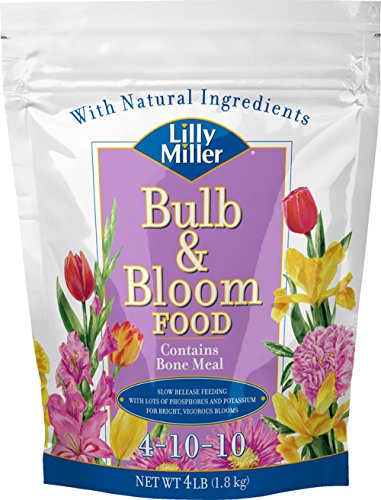
The Lilly Miller Bulb & Bloom Food 4-10-10 fertilizer is formulated specifically to encourage bright and vigorous blooms with a higher phosphorus and potassium ratio. Phosphorus encourages strong root development essential for the bulbs, while potassium supports flower production and overall plant health. This slow-release formula feeds lilies gradually over time, reducing the need for frequent applications.
Made in the United States, this product ensures quality and consistency. The nutrient balance of 4-10-10 is geared towards bulbous plants like lilies, helping them develop lush flowers and robust root systems efficiently.
10-10-10 Natural Based Daylily Food

This 10-10-10 Natural Based Daylily Food by Schreiner’s Iris Gardens provides balanced nutrients ideal for daylilies and similar flowering plants. The equal parts of nitrogen, phosphorus, and potassium promote overall plant vigor including leafy growth and bloom quality.
The natural-based formula supports healthier soil ecosystems and enhances the natural beauty of your lilies’ blooms. This fertilizer is suitable for gardeners who prefer organic or naturally derived plant nutrients to achieve stunning flowers and steady growth.
Nelson Plumeria & All Flowering Tropical Plant Food 5-30-5

The Nelson Plumeria Plant Food 5-30-5 is designed for flowering tropical plants, including lilies grown in-ground or containers. A high phosphorus content (30%) encourages prolific blooming, while nitrogen and potassium help maintain lush foliage and root health.
This granular fertilizer contains multiple nitrogen sources for consistent feeding and elemental sulfur to increase soil acidity, which is beneficial for certain lily varieties. It also includes micronutrients to enhance flower color intensity and overall plant resilience.
Miracle-Gro Indoor Plant Food Liquid, 8 oz.

Miracle-Gro Indoor Plant Food is a liquid fertilizer formulated to meet the nutritional needs of indoor lilies and other houseplants. Its fast-acting liquid formula promotes strong roots and vigorous foliage growth shortly after application.
This versatile product is safe to use on a wide array of plants, including peace lilies, snake plants, flowering indoor varieties, and herbs. For indoor gardeners seeking a convenient and immediate nutrient boost, this fertilizer ensures your lilies thrive in container environments.
CrystalClear Thrive Aquatic Pond Plant Food
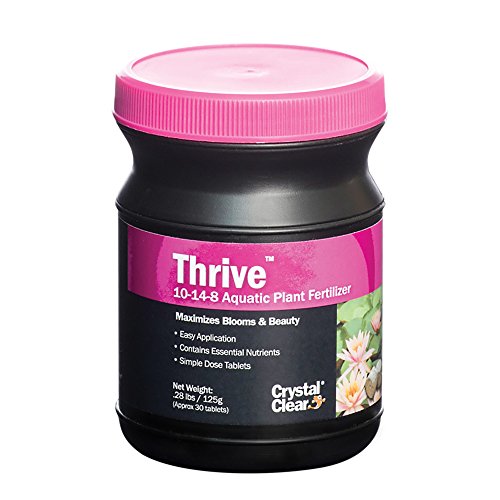
CrystalClear Thrive Aquatic Pond Plant Food is tailored for aquatic lilies and pond plants. It offers a balanced formula (10-14-8) that enhances root growth, foliage health, and blooming in water garden environments.
The fertilizer comes in pellet form, allowing easy monthly dosing without harming fish, frogs, or other aquatic wildlife. This product is a top choice for anyone growing lilies in ponds or water gardens who requires safe and effective nutrition to sustain healthy blooms.
Buying Guide for Choosing the Best Fertilizer for Lilies
Nutrient Ratios (N-P-K)
Understanding the Nitrogen (N), Phosphorus (P), and Potassium (K) balance is critical for optimizing lily growth. Phosphorus is particularly important to encourage strong root and flower development. A higher phosphorus ratio (like 4-10-10 or 5-30-5) is preferred for blooming lilies, whereas balanced fertilizers (10-10-10) support overall plant health.
Slow-Release vs. Liquid Fertilizers
Slow-release fertilizers feed plants gradually, requiring fewer applications over time, ideal for outdoor gardening. Liquid fertilizers work quickly, making them better suited for indoor plants or those needing rapid nutrient uptake.
Plant Type and Growing Environment
Choose fertilizers based on your lilies’ growing setting—garden beds, containers, or aquatic ponds. For example, aquatic pond fertilizers are formulated to be safe for water life while providing necessary nutrients. Indoor lilies benefit from liquid fertilizers for quick absorption.
Soil pH and Micronutrients
Some fertilizers include micronutrients like sulfur to adjust soil pH, which can improve nutrient availability. Ensure the fertilizer complements your soil conditions and plant needs. Elemental sulfur in some formulas helps acidic soil-loving lilies thrive.
Organic vs. Synthetic Options
Natural or organic-based fertilizers support soil health and reduce chemical runoff risk. Conversely, synthetic fertilizers can deliver precise nutrient ratios and immediate effects. Consider your gardening style and plant sensitivities when selecting.
Frequency of Application
Follow the fertilizer’s recommended feeding schedule carefully. Over-fertilizing can damage lilies, while underfeeding may stunt growth. Slow-release types require less frequent use, whereas liquid feeds might need application every 1-2 weeks.