
Growing a lush, green lawn in dense shade can be challenging due to limited sunlight and competition with trees and shrubs. Choosing the right grass seed mix designed for shady conditions improves your chances of success. Below is a comparison table to help you quickly view key details of top grass seeds formulated specifically for dense shade areas.
| Product | Brand | Coverage | Special Features |
|---|---|---|---|
| Pennington Smart Seed Dense Shade Grass Mix | Pennington | 7 lb bag | Mix of Tall & Fine Fescues, with fertilizer |
| Jonathan Green & Sons Dense Shade Grass Seed Mixture | PGONA | 7 lb bag | Designed for shady areas where others fail |
| Jonathan Green Black Beauty Dense Shade Seed | Jonathan Green | 1 lb bag | Shade tolerant, quick germination, dark green turf |
| Scotts Turf Builder Grass Seed Dense Shade Mix | Scotts | 5.6 lbs | Grows with as little as 3 hours sunlight, root-building nutrition |
| Barenbrug Turf Sense Grass Seed for Dense Shade | Barenbrug | 25 lb bag | Durable, thick, fine texture, suitable for large areas |
Pennington Smart Seed Dense Shade Grass Mix
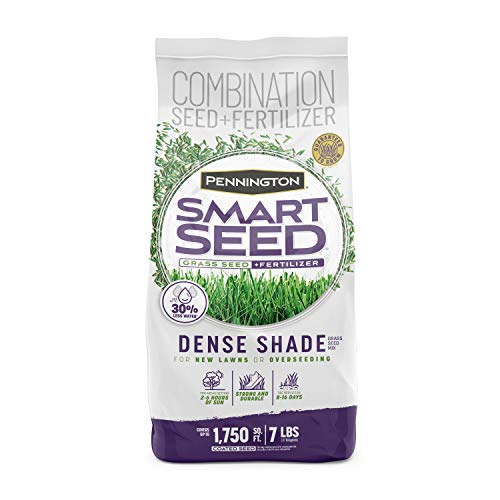
Pennington’s Smart Seed Dense Shade Grass Mix combines Tall Fescue and Fine Fescue grasses to create a blend that thrives in low-light conditions. This mixture is tailored to help you grow thick, green grass in shaded areas of your lawn where sunlight is scarce. The seed bag also contains a precise amount of fertilizer, giving your new lawn a boost of nutrients to help establish strong roots and healthy growth.
This mix is ideal for areas under trees, near fences, or in spaces between buildings where sunlight penetration is limited. The combination of fescues offers good shade tolerance with decent wear resistance, supporting a durable lawn in challenging spots.
Jonathan Green & Sons Dense Shade Grass Seed Mixture

The Jonathan Green & Sons Dense Shade Grass Seed Mixture is designed specifically for use in shady lawns where other seeds often fail. It comes in a 7-pound bag with a formulation that supports healthy grass growth in areas with limited sunlight.
While its manufacturing origin is China, the seed mix contains varieties suited to establish and maintain durable turf in dense shade. This product is suitable for overseeding or starting a new lawn and is a practical choice for homeowners facing persistent shade issues.
Jonathan Green Black Beauty Dense Shade Grass Seed

Jonathan Green’s Black Beauty Dense Shade Grass Seed is a premium mixture formulated to thrive in shaded areas under large trees, shrubs, or next to structures. It is known for producing a deep green, lush turf with a dense, attractive appearance.
This seed mix benefits from a relatively fast germination time (14–21 days) and includes beneficial endophytes, which help the turf resist pests and stresses. It works well in cool-season climates and supports rapid lawn establishment while tolerating limited sunshine.
Scotts Turf Builder Grass Seed Dense Shade Mix

The Scotts Turf Builder Dense Shade Mix is formulated to grow with as little as 3 hours of sunlight per day. It includes root-building nutrition to strengthen the lawn and increase drought resistance. This product is designed for full sun and dense shade, offering versatility across different lawn exposures.
This grass seed mix is recommended for spring or fall seeding and is suitable for planting new lawns or overseeding existing ones. The mixture helps create a medium to highly durable lawn that stands up well to the lesser sunlight and environmental stresses common in shaded areas.
Barenbrug Turf Sense Grass Seed for Dense Shade

Barenbrug Turf Sense Dense Shade Grass Seed is engineered for both small and large lawn areas affected by heavy shade. It produces a durable, thick, and fine-textured turf that is both beautiful and resilient. This 25-pound bag is ideal for homeowners with expansive shady lawns or those aiming to repair bare patches.
This seed can establish in dense shade as well as tolerate some sunlight, making it a flexible choice. Its capacity to repair thinning areas helps maintain the overall lawn health and appearance, especially under mature trees or shaded backyard spots.
Buying Guide for Choosing the Best Grass Seed for Dense Shade
1. Grass Seed Types and Shade Tolerance
Look for grass varieties that are specifically adapted for shade tolerance. Common choices include Tall Fescue, Fine Fescue, and certain Ryegrass mixes. Each has different tolerances for low sunlight and varying growth habits. Tall Fescue generally provides durability and deeper root systems, while Fine Fescue excels in very low light but may be less wear-resistant.
2. Seed Mix Composition
Many successful dense shade lawn seed mixes combine multiple grass types for best results. Blends often include a combination of Tall Fescue and Fine Fescue. Choosing a mixture rather than a single variety can increase turf resilience and adaptability to different microclimates in your yard.
3. Fertilizer and Soil Amendments Included
Some grass seed bags come pre-mixed with fertilizer and soil improvers to support lawn establishment. These can improve germination rates and initial growth. If your seed does not include these features, consider supplementing with appropriate lawn starter fertilizer and soil conditioner.
4. Germination and Establishment Time
Seed mixes differ in how quickly they germinate. Faster germination (under 3 weeks) can reduce competition from weeds and make the process more satisfying. Check product details for expected germination periods, especially if you want quicker coverage in shaded areas.
5. Seed Bag Size and Coverage Area
Consider the size of the area you want to seed and choose an appropriately sized bag or multiple bags for larger lawns. Coverage information, usually listed in square feet, helps ensure you have enough seed to avoid patchy results in dense shade.
6. Climate and Regional Adaptability
Select seed mixes formulated for your region’s climate, focusing on cool-season grass if you live in northern U.S. states. Cool-season grass varieties typically handle shade better in these zones. Warm-season grass seed is generally less shade tolerant.
7. Weed-Free Assurance
A quality grass seed will have minimal weed content to avoid early competition. Some brands test to provide weed-free seed which is important to maintain lawn health during establishment, especially in shaded areas that are slower to mature.
8. Durability and Wear Tolerance
If shaded lawn areas experience foot traffic or use as play space, look for blends with good wear tolerance. Tall Fescue blends typically offer better durability than fine fescues alone.
9. Sunlight Levels and Lawn Conditions
Accurately assess how many hours of sunlight your shaded lawn receives daily. Some seed mixes require at least 3 hours, while others tolerate less. Matching seed tolerance to existing sunlight levels maximizes success.