
Choosing the best grass for dry sandy soil is essential to create a healthy, resilient lawn in challenging conditions. Sandy soil typically drains quickly and retains less moisture, so selecting grass varieties that can thrive under these conditions is key. Below is a summary of top grass seed mixes and soil products designed specifically for dry, sandy environments, focusing on drought-tolerance, low maintenance, and adaptability to sun and partial shade.
| Product | Brand | Key Features | Weight |
|---|---|---|---|
| JRK Sandy Soil Grass Seed Mix | JRK SEED | Designed for sandy soil, low moisture, sun & partial shade, low maintenance | 5 lbs |
| Mosser Lee ML1113 Desert Sand | Mosser Lee | Soil cover for decorative use, improves look and drainage | 7 lbs |
| Scotts Turf Builder Grass Seed Sun & Shade Mix | Scotts | Root-building nutrition, sun & shade tolerant, soil improver | 5.6 lbs |
| Scotts Grass Seed Drought Tolerant Mix | Scotts | Self-repairing, deep roots, drought tolerant | 4 lbs |
| Pennington Smart Seed Sun and Shade Grass Mix | Pennington | Mix of tall fescue, ryegrass, bluegrass; fertilizer included | 3 lbs |
JRK Sandy Soil Grass Seed Mix – 5 lbs
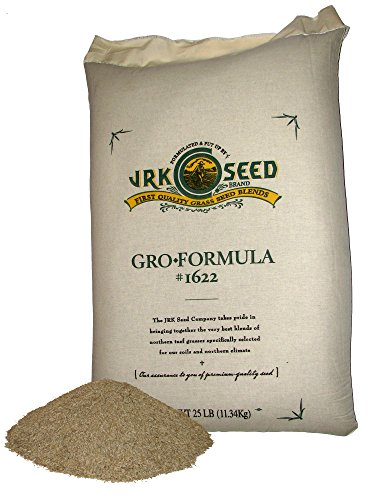
The JRK Sandy Soil Grass Seed Mix is tailored for areas with dry, sandy soil and limited moisture availability. It thrives in both sun and partial shade, making it versatile for different lawn exposures. This mix is well-suited for homeowners seeking a low maintenance option that doesn’t require frequent watering. For optimal growth, it is recommended to fertilize twice yearly. This seed mix provides a hardy turf that can survive tough climates while maintaining its green appearance.
Mosser Lee ML1113 Desert Sand 7 lb.

Although not a grass seed, the Mosser Lee ML1113 Desert Sand is a decorative soil cover perfect for improving water drainage and soil aeration in sandy areas. It is often used in clear vases, terrariums, and gardens as a top layer to enhance the look and health of plants. While it doesn’t grow grass, when combined with the right grass seed, this soil cover can help maintain moisture balance in sandy soils, indirectly supporting grass growth.
Scotts Turf Builder Grass Seed Sun & Shade Mix with Fertilizer, 5.6 lbs.

Scotts Turf Builder Sun & Shade Mix combines a grass seed blend, fertilizer, and soil improver to foster deep root development and vigorous growth. Designed for both full sun and dense shade, it adapts to variable light conditions and has medium drought resistance. Its fertilizer component nourishes the soil, helping new grass establish quickly even in sandy, nutrient-poor soil. This mixture is a solid choice for homeowners seeking a balanced, robust turf in dry sandy locations.
Scotts Grass Seed Drought Tolerant Mix, Kentucky Bluegrass & Tall Fescue, 4 lb.

The Scotts Drought Tolerant Mix features a blend of Tall Fescue and Kentucky Bluegrass, selected for their ability to grow deep roots and self-repair bare patches, critical traits for sandy, dry soils. It is best applied during spring or fall when temperatures range from 65°F to 85°F. This seed is particularly suitable for water-conscious lawns requiring a drought-adapted grass with medium to high durability and resilience.
Pennington Smart Seed Sun and Shade Grass Mix 3 lb
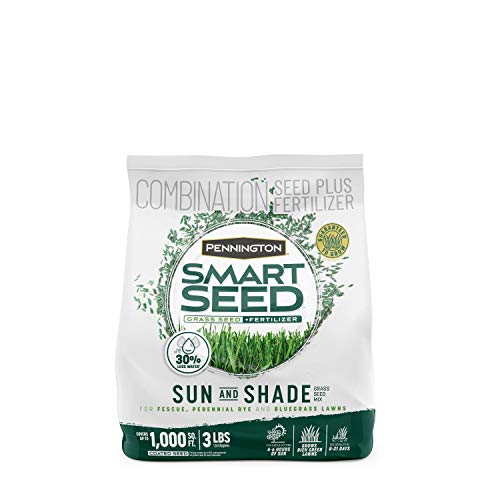
The Pennington Smart Seed Sun and Shade Mix offers a carefully balanced combination of Tall Fescue, Perennial Ryegrass, Kentucky Bluegrass, and Fine Fescue. This blend is ideal for lawns receiving both direct sun and moderate shade. It includes a starter fertilizer that nurtures growth while helping the grass withstand dry conditions often found in sandy soils. This mix supports a thick, green lawn with good adaptability and resilience.
Buying Guide for Best Grass Seed in Dry Sandy Soil
Soil Compatibility and Drainage
Since dry sandy soil drains moisture rapidly, choose grass seed mixes formulated for high drainage and low water retention. Look for drought-tolerant varieties such as Tall Fescue, Kentucky Bluegrass, and Fine Fescue. Additionally, using soil conditioners or sand covers can help improve moisture retention and aeration.
Drought Resistance
An important factor is selecting grass with strong drought resistance to endure dry spells common in sandy soils. Seeds that develop deep root systems can access water from deeper layers, improving lawn survival and reducing watering needs.
Sunlight Exposure
Consider the lawn’s sun exposure. Some mixes are optimized for full sun, others for partial shade or sun/shade combinations. Choosing a seed mix matching your lawn’s light conditions ensures healthier growth, especially in sandy soil which stresses plants more.
Maintenance Requirements
For sandy soil, low maintenance grasses that require less frequent watering and fertilization are beneficial. Some seed mixes come with starter fertilizers built-in, minimizing early care efforts. Regular but minimal fertilizing helps maintain vigor without overloading nutrient-poor sandy soil.
Seed Coverage and Turf Density
A higher seed weight per square foot can improve turf density, which helps protect soil from erosion and retains moisture better. Choose mixes that ensure good lawn coverage to compensate for sandy soil’s challenging conditions.
Application Timing
The best time to seed sandy and dry soils is typically during moderate temperatures (spring or fall), avoiding hottest and driest months. Proper timing aids seed germination and establishment by leveraging seasonal moisture.
Use of Soil Amendments
Complementing grass seed with soil amendments like garden sand or soil covers can improve water retention and soil structure. Consider products like Mosser Lee Desert Sand or other garden sands that enhance drainage and plant health.