
Choosing the right liner for raised garden beds is crucial for maintaining soil health, controlling weeds, and ensuring proper drainage. Below is a summary table featuring top-rated liners ideal for raised garden beds, including fabric, pond liners, coir mats, and heavy-duty landscape fabrics.
| Product | Type | Size | Material | Key Features |
|---|---|---|---|---|
| GreatBuddy Weed Barrier Landscape Fabric | Woven Weed Barrier | 3 ft x 50 ft | Polypropylene | Heavy-duty, tear resistant, blocks sunlight, durable for long-term use |
| UWIOFF 20 Mil Pond Liner | LDPE Pond Liner | 7 ft x 10 ft | LDPE (Black Plastic) | UV resistant, puncture resistant, safe for fish and plants, thick 20 mil |
| SUNYAY Coconut Coir Liner Roll | Natural Coco Fiber | 16 in x 80 in | 100% Coconut Coir Fiber | Eco-friendly, breathable, sturdy, ideal for planter baskets and raised beds |
| HOOPLE Heavy Duty Weed Barrier Fabric | Non-Woven Landscape Fabric | 3 ft x 30 ft | Polypropylene | High permeability, durable, easy to cut and install, supports soil respiration |
| Feitore Fabric Raised Garden Bed | Fabric Raised Garden Bed | 2 ft x 4 ft | Breathable Felt Fabric | UV resistant, breathable, quick setup, promotes airflow and drainage |
GreatBuddy Heavy Duty Weed Barrier Fabric

The GreatBuddy weed barrier fabric is designed for optimal weed control in raised garden beds and other landscaping needs. Measuring 3 feet by 50 feet, it offers ample coverage for garden beds and pathways. Made from high-density polypropylene woven fabric, this material is tear-resistant and corrosion-proof, providing long-lasting durability.
The heavy-duty, opaque nature of the fabric effectively blocks sunlight, inhibiting weed growth without sacrificing water and nutrient flow to your soil. It’s easy to cut and position, making garden maintenance more convenient. Ideal for gardeners who want a strong, reliable barrier that lasts multiple seasons.
UWIOFF 20 Mil LDPE Pond Liner for Garden Beds

The UWIOFF Pond Liner made from durable 20 mil thick LDPE (low-density polyethylene) is perfect for raised garden beds requiring a waterproof yet flexible liner. Sized at 7 feet by 10 feet, it fits small to medium garden beds comfortably.
This liner is UV resistant and puncture resistant, ensuring longevity when exposed to outdoor conditions. It maintains ideal water retention for wet garden setups like pond beds or water features integrated into your raised bed design. The material is safe for aquatic life, plants, and pets, making it versatile beyond typical garden beds.
SUNYAY Natural Coconut Coir Planter Liner Roll
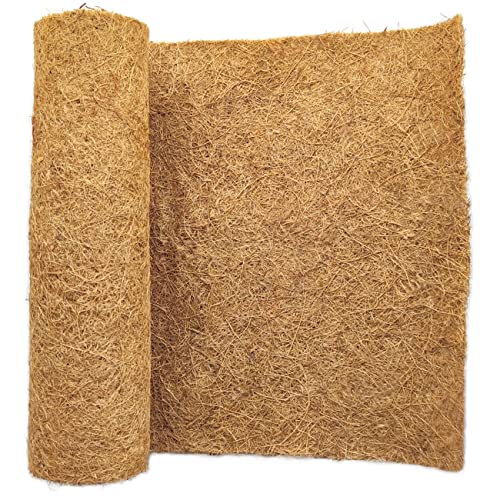
SUNYAY’s coconut coir liner consists of 100% natural coconut fibers, offering an eco-friendly and breathable option for raised garden beds. The 16-inch by 80-inch roll can be cut easily to fit various planter sizes or garden bed liners.
This liner promotes excellent drainage and airflow to roots while providing a naturally sturdy barrier to contain soil. It also works well as a natural alternative to synthetic liners, supporting healthy root environments for vegetables, flowers, and even reptile habitats. The coir retains moisture yet prevents excessive waterlogging.
HOOPLE Heavy Duty Non-Woven Weed Barrier Fabric

The HOOPLE non-woven landscape fabric blends durability with high permeability for raised garden beds. With a size of 3 feet by 30 feet, this heavyweight polypropylene fabric fosters healthy plant roots by allowing air and water to penetrate while preventing weed growth.
Designed for easy installation, it can be cut to fit any raised bed size or shape. The fabric’s breathability supports root respiration and soil health, contributing to better plant growth. Its toughness means it can handle heavy foot traffic and resist tearing in harsh weather conditions.
Feitore Fabric Raised Garden Bed Container

The Feitore Fabric Raised Garden Bed is a ready-to-use grow bag made from thick, breathable felt fabric. Measuring 2 feet by 4 feet, this container is UV resistant and promotes excellent air circulation and water drainage to plant roots.
This liner doubles as the entire garden bed, eliminating the need for digging or assembling wooden beds. Simply unfold, place on a flat surface, fill it with soil, and start planting. Its design allows for superior root oxygenation, encouraging robust plant growth while preventing water accumulation.
Buying Guide: How to Choose the Best Liner for Raised Garden Beds
Material Considerations
Raised garden bed liners come in various materials including polypropylene woven fabrics, LDPE plastic liners, coconut coir, and breathable felt. Consider how each material interacts with soil and plants:
- Woven polypropylene fabric offers excellent weed prevention while allowing water and air through.
- LDPE liners provide a waterproof barrier, ideal for water retention but may limit soil airflow if not paired with drainage.
- Coconut coir is natural, breathable, and biodegradable, excellent for drainage and eco-friendliness.
- Felt fabric beds offer superior drainage and root aeration but might not block weeds underneath if placed on bare soil.
Durability and Weather Resistance
Choose fabrics that are UV resistant, tear-resistant, and able to withstand outdoor elements for long-lasting performance. Heavier weights (measured in ounces or mil-thickness) typically mean more durable liners suitable for commercial or heavy garden use.
Permeability and Drainage
Linters must balance blocking weed growth with allowing water and nutrients to reach roots. Non-woven and woven fabrics often excel at this. Plastic liners require drainage holes or complementary materials to avoid waterlogging.
Size and Flexibility
Consider the dimensions and cut-to-fit options for your specific raised bed size and shape. Rolls offering flexibility let you customize liner coverage to suit irregular or custom-built beds.
Environmental Impact
If environmentally conscious, choose biodegradable or natural liners like coconut coir or breathable felt. Synthetic fabrics have longer lifespans but may require replacement and disposal considerations.
Installation and Maintenance
Select liners that are easy to install and maintain. Lightweight fabrics or flexible rolls save time, while heavy-duty mats may require anchors or staples. Consider whether the liner supports easy seasonal re-use and cleaning.