
Choosing the best organic soil for indoor plants is essential for thriving houseplants. Organic potting mixes enhance moisture retention, nutrient availability, and root development while supporting sustainable gardening practices. Below is a summary table featuring some of the most effective and popular organic soils available for indoor gardening.
| Product | Brand | Size | Key Features |
|---|---|---|---|
| Back to the Roots 100% Organic Indoor Potting Mix | Back to the Roots | 6 Quart | Yucca extract for moisture retention, root-boosting mycorrhizae, peat-free |
| Burpee Premium Organic Potting Mix | Burpee | 9 Quart | Plant food & coconut coir, OMRI certified, slow-release nutrients, moisture retaining |
| Back to the Roots 100% Organic Potting Mix (Value) | Back to the Roots | 12 Quart | Upcycled ingredients, peat-free, moisture control, pH balance |
| FoxFarm Ocean Forest Potting Soil | FoxFarm | 12 Quart | Rich in organic amendments, moisture-locking, pH balanced |
| Miracle-Gro Houseplant Potting Mix | Miracle-Gro | 4 Quart | Perlite and peat moss blend, less prone to gnats, fertilized |
Back to the Roots 100% Organic Indoor Potting Mix

This potting mix by Back to the Roots is designed specifically for indoor plants, featuring organic yucca extract that aids in moisture retention to keep soil consistently hydrated. The mix is enhanced with root-boosting mycorrhizae, which naturally promote root development and optimize nutrient uptake. Being 100% organic and peat-free, it reduces environmental impact and supports sustainable gardening practices. This soil is ideal for those who want a high-quality, eco-friendly potting medium that ensures vigorous houseplant growth.
Burpee Premium Organic Potting Mix for Containers

Burpee’s organic potting mix is formulated with plant food and coconut coir, which encourages strong seed and root growth. It is OMRI listed for organic use, ensuring safety for certified organic gardening. This premium blend provides immediate nutrient release and a slow-release formula that feeds plants for up to three months, making it excellent for container growers. Coconut coir retains moisture effectively, reducing watering frequency while supporting vibrant herbs, flowers, and vegetables indoors and outdoors.
Back to the Roots 100% Organic Potting Mix (Value 12 Quart)
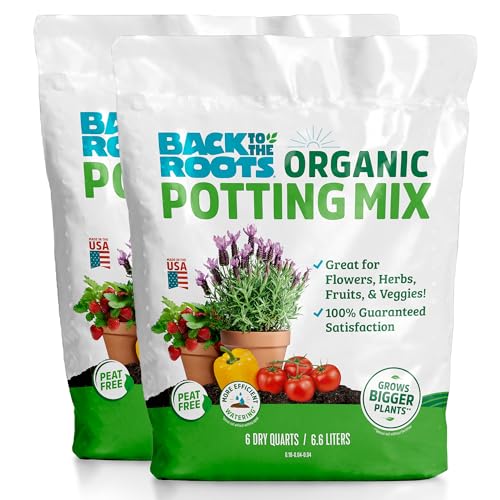
This larger-sized potting mix from Back to the Roots is an all-purpose organic soil ideal for herbs, fruits, vegetables, and flowers. It’s peat-free and made from upcycled plant matter and wood fines, supporting eco-conscious gardening efforts. The mix contains yucca extract for moisture control and dolomitic limestone to balance pH, enhancing nutrient availability. This soil is versatile and well suited to both beginner and experienced gardeners looking for sustainable growth solutions indoors.
FoxFarm Ocean Forest Potting Soil

FoxFarm’s Ocean Forest potting soil is a rich organic blend that offers a light, aerated texture ideal for container plants. It combines aged forest products, sphagnum peat moss, earthworm castings, bat guano, and fish emulsion to enhance moisture retention and nutrient uptake. The pH-adjusted formula promotes vigorous growth across a wide variety of plants, including indoor varieties. This soil is highly regarded for its ability to boost healthy foliage and root development while supporting all plant types from seedlings to shrubs.
Miracle-Gro Houseplant Potting Mix

Miracle-Gro’s indoor potting mix is designed with a combination of perlite, sphagnum, and peat moss that retains moisture while reducing gnat problems. Recommended for common houseplants such as Pothos, Spider Plants, Monstera, and Philodendron, this fertilized soil helps indoor gardeners maintain healthy roots and foliage. Though not strictly peat-free, its formula balances moisture and aeration to ensure plants thrive in indoor environments.
Buying Guide: How to Choose the Best Organic Soil for Indoor Plants
1. Organic Certification and Ingredients
Look for potting mixes with certified organic ingredients or OMRI listings to ensure no synthetic chemicals or pesticides are included. Key components like coconut coir, composted plant matter, and mycorrhizae improve plant health naturally.
2. Moisture Retention and Drainage
The best soils balance moisture retention without waterlogging roots. Ingredients like yucca extract, coconut coir, and perlite help maintain this balance. Consider mixes that highlight moisture control to reduce overwatering risks.
3. Nutrient Content and Fertilization
Some organic potting soils come pre-fertilized with slow-release nutrients or enriched with natural amendments such as earthworm castings, kelp meal, or bat guano. This reduces the need for additional feeding and supports steady growth.
4. Peat-Free and Environmental Impact
Peat harvesting affects natural ecosystems, so peat-free mixes are more environmentally friendly. Look for alternatives like upcycled plant material or coconut coir to minimize your carbon footprint.
5. Suitability for Plant Type and Container
Choose a potting mix formulated for your specific plant needs—some blends cater to herbs, vegetables, or flowering plants—and consider soil texture appropriate for containers, raised beds, or decorative pots.
6. Pest Resistance
Indoor soils less prone to pests such as fungus gnats may include components like perlite and sphagnum moss that improve aeration and reduce pest attractants.
7. Packaging Size and Convenience
Select sizes that match your indoor gardening space and plant quantity. Compressed or ready-to-use mixes can save space and simplify transplanting.