
Winter weather can threaten shrubs, potted plants, and small trees. The right covers protect against frost, wind, and pests while letting sunlight and air reach your greenery. Below are five top picks that balance durability, breathability, and easy use, helping you maintain a healthy, vibrant garden throughout the cold season.
| Product | Brand | Size | Key Benefit |
|---|---|---|---|
| Svepndic 4 PCS Winter Plant Covers | Svepndic | ~39.4 x 39.4 in each | Breathable protection with drawstring |
| ANPHSIN 6 Pcs Plant Covers | ANPHSIN | ~39.3 x 39.3 in each | Windproof drawstring and good air flow |
| NNG 3PCS Winter Plant Covers | NNG | ~39.4 x 39.4 in each | Zipper and drawstring for easy use |
| NuVue 22253 Snow And Ice Covers | NuVue | 36 x 36 x 38 in | Synlap material, durable and reusable |
| Homoda Large Plant Covers | Homoda | 60 x 70 in | Extra-thick fabric with zipper and drawstring |
Svepndic 4 Pcs Winter Plant Covers

Svepndic’s package includes four white plant covers sized about 39.4 by 39.4 inches, designed to shield outdoor plants from cold air, wind, birds, and pests. The fabric is lightweight, breathable non-woven material that supports photosynthesis by allowing sunlight and moisture to reach plant leaves. A drawstring at the bottom helps secure the cover around stems or pots, reducing wind-driven displacement during storms. This set is a practical option for gardeners with multiple shrubs or potted specimens in need of consistent winter protection. The covers are reusable and easy to store when temperatures rise, making them a versatile tool for seasonal plant care.
ANPHSIN 6 Pcs 39.3in x 39.3in Plant Covers

ANPHSIN offers a six-pack of plant covers, each roughly 39.3 inches square, crafted from breathable, lightweight non-woven fabric. The material supports airflow and moisture exchange while providing frost and freeze protection, helping plants maintain photosynthesis during cold spells. A windproof drawstring at the opening allows secure placement and reduces the risk of the cover being displaced by gusts. Suitable for shrubs, potted plants, and small raised beds, these covers provide a practical balance between protection and plant health, enabling garden upkeep without frequent coverage adjustments.
NNG 3PCS Winter Plant Covers

NNG delivers three plant covers, each about 39.4 inches in length and width, using heavyweight non-woven fabric that combines durability with breathability. The design integrates a zipper and drawstring, enabling easy covering and removal, as well as a secure fit around plant bases. This configuration supports frost and wind protection while letting light pass through, helping maintain a healthy microclimate for shrubs and small trees. The result is a reusable solution suitable for a range of outdoor plants during winter months.
NuVue 22253 Winter Snow and Ice Covers
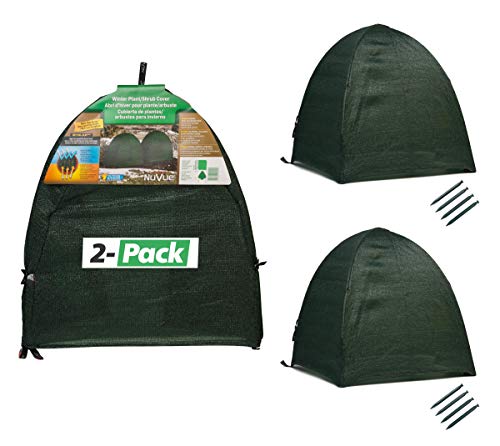
NuVue’s 22253 set provides a two-pack of winter covers, each measuring 36 by 36 by 38 inches. Crafted from Synlap synthetic material, these covers resist rot, mold, and mildew, offering lasting durability year after year. They promote healthy plant growth by allowing sunlight, water, and air to reach plant tissues, avoiding the greenhouse effect common with less breathable fabrics. The design supports protection for shrubs, small trees, and hedges during snow and ice events, with deployment that remains easy and stress-free for gardeners who must cover multiple specimens quickly.
Homoda Large Plant Covers

Homoda offers two large covers measuring 60 inches by 70 inches, featuring an extra-thick 2.0 oz/sq ft non-woven fabric for enhanced frost and wind protection. The design includes a side zipper and bottom drawstring for straightforward application and a snug fit that resists displacement in windy conditions. Despite the robust protection, the material remains breathable to support plant respiration and moisture exchange. This option suits larger shrubs, fruiting plants, or grouped plantings that require reliable, durable winter protection in American gardens.
Buying Guide: Key Purchase Considerations and Comparisons
- Protection level: Consider fabric weight and thickness. Heavier fabrics offer stronger wind and frost protection but can reduce airflow. Look for balanced materials that provide insulation without suffocating plants.
- Breathability and light transmission: Choose covers that allow sunlight and air to reach foliage. Non-woven and Synlap materials typically strike a good balance, preventing mold while enabling photosynthesis.
- Size and coverage: Measure the height and spread of shrubs or potted plants to select an appropriately sized cover. Models in the 39–70 inch range cover many common shrubs and raised beds.
- Closure design: Drawstrings, zippers, and combination closures affect ease of use and secure fit. Zippers are convenient for frequent access, while drawstrings help prevent wind lift.
- Durability and reuse: Reusable covers save money over time and reduce waste. Check for reinforced seams, weather-resistant stitching, and fabric longevity.
- Maintenance: Most covers are easy to clean and store. Look for machine-washable fabrics or simple hand-wash options, and ensure you can fold and store them compactly.
- Compatibility: If you have a mix of shrubs, perennials, and potted fruit trees, select a range of sizes or multiple packs to cover all plant types efficiently.
- Environmental considerations: Some fabrics resist mold and mildew better than burlap while maintaining breathability, which helps avoid microclimates that trap moisture.
- Value assessment: Compare bundles (e.g., multiple covers in a pack) to a single oversized cover. Bundles often meet diverse plant sizes in a single purchase.
When choosing a winter plant cover strategy, homeowners should balance protection with plant health. If you garden in areas with heavy snowfall, prioritize wind resistance and secure closures. For regions with moderate cold, lighter, breathable covers may suffice, enabling ongoing photosynthesis. For smaller spaces, multi-pack options provide flexibility, while larger households may benefit from oversized models that shield several shrubs together. The products above illustrate a spectrum of approaches, from compact, easy-to-use bags to larger, robust jackets that protect a wider planting area.