
Choosing the right sickle for cutting grass and weeding can save time and reduce effort in the yard. The following selections prioritize sharpness, durability, and ergonomic design, spanning traditional handmade tools to modern steel builds. Use this guide to compare options for lightweight trimming, root removal, and edge work across lawns, gardens, and undergrowth.
| Product | Brand | Key Benefit |
|---|---|---|
| YEELOR Weeding Sickle | YEELOR | Double-edged blade for soft and hard grass, telescoping long handle |
| TOYPOPOR Japanese Weeding Sickle Hoe | TOYPOPOR | Nejiri Kama design for cutting from the root |
| KEYI Steel Grass Sickle | KEYI | Manganese blade with hardwood handle for leverage |
| KAKURI Japanese Weeding Sickle | KAKURI | Made in Japan with laminated Japanese steel |
| TOYPOPOR Carbon Steel Grass Sickle | TOYPOPOR | Crescent blade, rust-resistant, light and comfortable |
YEELOR Weeding Sickle Review
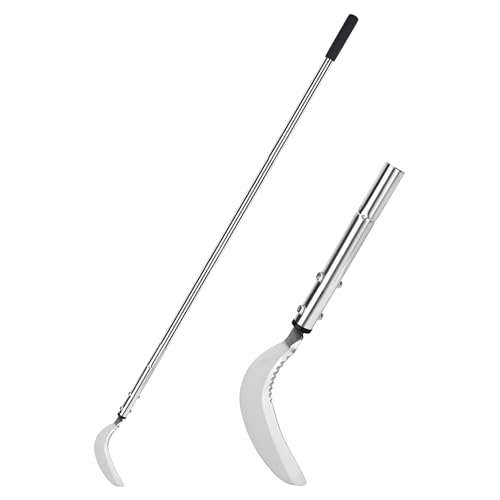
The YEELOR Weeding Sickle combines a stainless steel long handle with a sharp double-edged blade for versatile yard work. The blade offers straight and wavy options, enabling efficient cutting of both soft grass and tougher weeds. A lightweight design (about 1.6 lb) reduces arm fatigue, and three adjustable lengths cater to different user heights. The stand-up handle minimizes bending, making it suitable for extended weed-cutting sessions in gardens or pathways.
TOYPOPOR Japanese Weeding Sickle Hoe

The NEJIRI Kama-inspired design by TOYPOPOR positions the blade to work close to the ground for root-level weed removal. Built from high-carbon steel, the blade stays sharp with use and is straightforward to sharpen. The user benefits from a compact one-piece construction that enhances durability and cutting precision, particularly in tight borders and between row crops where weed growth is stubborn.
KEYI Steel Grass Sickle

KEYI’s weed sickle emphasizes leverage with a 13.8-inch hardwood handle and a manganese steel blade. Marketed as multipurpose for cutting grass, vines, and edging, it offers a sturdy, ergonomic grip and a sharpened blade designed to endure repeated use. The combination of hardwood handle and durable steel suits garden borders and light undergrowth removal where durability matters most.
KAKURI Japanese Weeding Sickle

KAKURI’s long-handle weed cutter represents traditional Japanese craftsmanship with a razor-sharp carbon steel blade. The laminated blade construction increases edge durability and ease of sharpening, while the long handle reduces bending during extended weeding sessions. This tool is well-suited for large garden beds and stubborn root weeds where a steady, precise cut matters.
TOYPOPOR Carbon Steel Grass Sickle

This TOYPOPOR model features a 15-inch crescent blade crafted from rust-resistant carbon steel. The blade shape is optimized for cutting soft weeds and grasses, with a light wooden handle designed for one-handed use during longer sessions. The blade’s geometry supports precise edging and efficient weed removal in garden rows and close to borders.
Buying Guide: Key Purchase Considerations
When selecting a sickle for cutting grass and weeding, consider these factors to balance performance and comfort:
- Blade design and material: Stainless steel or carbon steel blades stay sharp longer, with double-edged or crescent blades offering different cutting angles. Japanese steel blades can provide superb edge retention but may require maintenance.
- Handle type and length: Long handles reduce bending and back strain, while wooden handles offer comfort and a natural grip. Telescoping designs add versatility for users of varying heights.
- Weight and balance: Lighter tools lessen fatigue, especially during extended sessions. A well-balanced tool reduces wrist strain and improves control on uneven terrain.
- Edge maintenance: Some blades are easier to sharpen with standard stones; others benefit from regular maintenance to maintain performance in dense weeds.
- Intended work environment: For large plots, a long-handled sickle with a robust blade improves efficiency. For borders and delicate edging, a sharper, thinner blade excels.
- Durability and build quality: Laminated or hardened blades with reinforced tangs last longer under frequent use and exposure to moisture.
Additional Perspectives
– Ergonomics: Users with back or knee concerns may prefer stand-up or telescoping designs to minimize bending. A comfortable grip reduces fatigue during prolonged cutting sessions.
– Maintenance routines: Regular cleaning and drying after use prevent rust, especially for carbon steel blades. Periodic oiling helps sustain edge quality and tool life.
– Versatility: Some sickles double as hand weeders for small beds, while others function as light machetes for brush clearing. Consider whether you need a single tool or a versatile set for different yard tasks.
Overall, the shortlisted tools offer a mix of traditional craftsmanship and modern engineering, making them suitable for American yards of various sizes. Each option emphasizes reliable cutting performance, ergonomic design, and durable materials to tackle grass, weeds, and light brush efficiently.