
Growing herbs in pots requires the right soil to ensure healthy growth, proper drainage, and nutrient availability. Choosing the best soil for herbs in pots means selecting a mix that retains moisture without becoming waterlogged and provides essential nutrients for robust herb growth. Below is a summary table of top-rated potting soils designed specifically for herbs, suitable for both indoor and outdoor container gardening.
| Product | Brand | Key Feature | Recommended Use |
|---|---|---|---|
| Miracle-Gro Organic Outdoor Potting Mix (16 qt.) | Miracle-Gro | Quick-release natural fertilizer; OMRI listed organic | Outdoor container herbs, flowers, vegetables |
| Burpee Premium Organic Potting Mix (9 qt.) | Burpee | Coconut coir for moisture retention; organic nutrients | Indoor/outdoor herbs, vegetables, flowers in pots |
| Professional Indoor Herb Plant Soil (2.2 qt.) | Leaves and Soul | Blend of peat moss, coco coir, perlite; promotes drainage | Indoor herbs including basil, thyme, rosemary |
| Back to the Roots 100% Organic Potting Mix (12 qt.) | Back to the Roots | Peat-free; includes yucca extract for moisture control | Versatile soil for herbs, veggies & flowers |
| Back to the Roots Organic Indoor Potting Mix (6 qt.) | Back to the Roots | Mycorrhizae boosts nutrient uptake; organic moisture control | Indoor potted herbs and houseplants |
Miracle-Gro Organic Outdoor Potting Mix

This mix is designed specifically for outdoor container gardening and is especially suitable for herbs, vegetables, and flowers. It contains a quick-release natural fertilizer that feeds plants for up to two months, encouraging sustained growth. The organic formula uses responsibly sourced peat, making it a sustainable choice for eco-conscious gardeners. It supports a healthy root environment and promotes vigorous plant development. Suitable for a variety of outdoor herb pots, its OMRI listing confirms it meets organic standards.
Burpee Premium Organic Potting Mix

Burpee’s organic potting mix includes plant food and sustainable coconut coir to hold the perfect moisture balance, important for herbs sensitive to over- or under-watering. This mix quickly releases nutrients while providing a slow-release feed for up to three months. Ideal for both indoor and outdoor containers, it promotes robust seed germination and root growth. The presence of coconut coir helps maintain moisture between waterings, making it suitable for busy gardeners maintaining container herbs on patios or window sills.
Professional Indoor Herb Plant Soil by Leaves and Soul

This premixed soil blend is designed for indoor herb varieties such as basil, thyme, rosemary, and more. It combines peat moss, coco coir, perlite, and dolomite lime to maximize fertilizer absorption and ensure proper aeration. The soil exhibits excellent moisture retention while still promoting optimum drainage to prevent root rot. This balance is crucial for healthy herb growth in pots where waterlogged conditions can damage roots or promote disease.
Back to the Roots 100% Organic Potting Mix
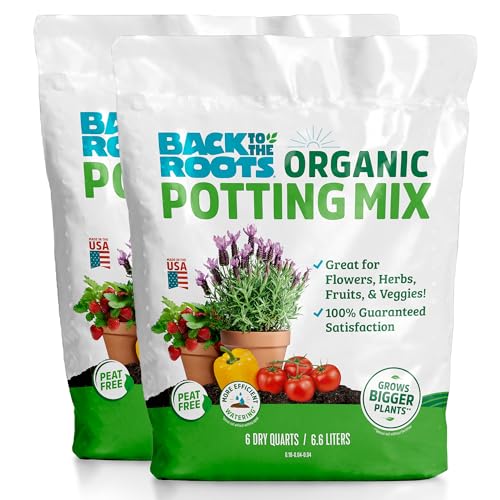
A peat-free organic blend, this premium potting mix uses upcycled plant matter and wood fines to deliver a sustainable and eco-friendly medium for herb growing. The mix includes yucca extract to improve moisture control and dolomitic limestone to balance pH levels—a critical factor for nutrient absorption in herbs. Suitable for herbs, vegetables, fruits, and flowers, this soil supports vigorous and healthy plant development with a lighter environmental footprint.
Back to the Roots Organic Indoor Potting Mix

Formulated for indoor potted plants, this organic mix contains yucca extract to help soil retain moisture and mycorrhizae fungi that enhance root development and nutrient uptake naturally. Its peat-free and organic composition reduces greenhouse gas emissions. Ideal for houseplant herbs such as oregano, parsley, and mint, this soil improves nutrient availability and keeps indoor herbs thriving in containers.
Buying Guide: Choosing the Best Soil for Herbs in Pots
1. Nutrient Content and Fertilization
Herbs require consistent nutrients but not excessive fertilizers. Look for potting mixes containing slow-release organic fertilizers or natural amendments that supply essential nutrients without chemical buildup. Organic options reduce the risk of nutrient burn and promote soil microbiome health.
2. Moisture Retention versus Drainage
Herbs in pots need soil that maintains adequate moisture but also drains well to prevent root rot. Ingredients like coconut coir enhance water retention, while additives like perlite or sand improve aeration and drainage. Balance is essential to avoid overwatering or drying out.
3. Soil Composition and Texture
A light, airy soil texture supports root growth and allows oxygen flow. Peat moss is common for this purpose but consider peat-free alternatives for environmental sustainability. Components like composted plant matter provide organic matter and improve soil structure.
4. pH Level and Amendments
Most herbs prefer a slightly acidic to neutral pH (6.0-7.0). Potting mixes with dolomitic limestone help buffer pH and supply calcium and magnesium, enhancing nutrient absorption. Check product descriptions for pH balancing additives.
5. Indoor vs Outdoor Considerations
Indoor herb soils often emphasize moisture retention and mold prevention, while outdoor soils need resilience for varying weather conditions. Choose products formulated for your growing environment to optimize herb health.
6. Environmental Impact
Consider potting soils that are OMRI listed organic or peat-free to reduce environmental harm. Sustainable sourcing of ingredients like peat or coconut coir supports eco-friendly gardening practices.
By evaluating these factors aligned with your specific herb gardening needs, you can select a potting soil that fosters healthy, flavorful herbs in your containers.