
Creating a thriving indoor vegetable garden relies heavily on selecting the right soil. The ideal potting mix must support healthy roots, provide adequate moisture retention, and deliver essential nutrients. Below is a summary of some of the best organic and nutrient-rich soils currently available for indoor vegetable gardening.
| Product | Brand | Key Features |
|---|---|---|
| Burpee Premium Organic Potting Soil Mix | Burpee | All-natural mix with coconut coir, OMRI organic listed, moisture retaining, slow-release nutrients |
| Miracle-Gro Potting Mix For Container Plants (2-Pack) | Miracle-Gro | Feeds plants up to 6 months, promotes bigger growth, ideal for vegetables and flowers |
| FoxFarm Ocean Forest Potting Soil, 12 Qt. | FoxFarm | pH adjusted, moisture-retentive blend with bat guano, earthworm castings, organic nutrients |
| Back to the Roots 100% Organic Potting Mix | Back to the Roots | Peat-free, organic, moisture control, pH balanced, made in the USA |
| Organic Plant Magic Compressed Organic Potting Soil | Organic Plant Magic | Compressed for convenience, expands with water, nutrient-rich, retains moisture well |
Burpee Premium Organic Potting Soil Mix

The Burpee Premium Organic Potting Mix is designed specifically for container gardening including flowers, vegetables, and herbs. This mix features a blend of all-natural ingredients such as plant food and coconut coir, which improves water retention and provides a sustainable moisture supply. Its OMRI certification means it meets organic standards, making it suitable for gardeners seeking natural options.
This soil releases nutrients quickly to encourage seed and root growth but also has a slow-release food component that feeds plants for up to three months. The coconut coir component is especially beneficial indoors, where maintaining consistent moisture levels can be challenging. Ideal for raised beds and patio containers, this product is tailored for easy and effective growing.
Miracle-Gro Potting Mix For Container Plants (2-Pack)

This Miracle-Gro Potting Mix is a popular choice for indoor gardeners because of its nutrient-rich formula designed to feed container plants for up to six months. By providing an extended nutrient release, it encourages vigorous growth and can yield plants that grow twice as large compared to unfed plants.
The packaging provides enough mix to fill several containers, making it ideal for a variety of vegetable seeds and established plants. This product supports vibrant blooms and healthy foliage, with versatility spanning annuals, perennials, shrubs, and vegetables. Its easy-to-use format suits beginners as well as experienced growers.
FoxFarm Ocean Forest Potting Soil, 12 Qt.

FoxFarm Ocean Forest offers an all-in-one potting soil formulated with organic components like aged forest products, sphagnum peat moss, earthworm castings, bat guano, and fish emulsion. This blend is known for its light, aerated texture which supports optimal root health and nutrient uptake.
The soil is pH adjusted to maximize nutrient availability, which is critical for vegetable growth indoors. Its moisture-locking properties maintain ideal hydration levels, ensuring plants do not dry out between waterings. This potting soil works well with a wide range of plants, including vegetables, flowers, and shrubs, making it a trustworthy choice for indoor plots.
Back to the Roots 100% Organic Potting Mix
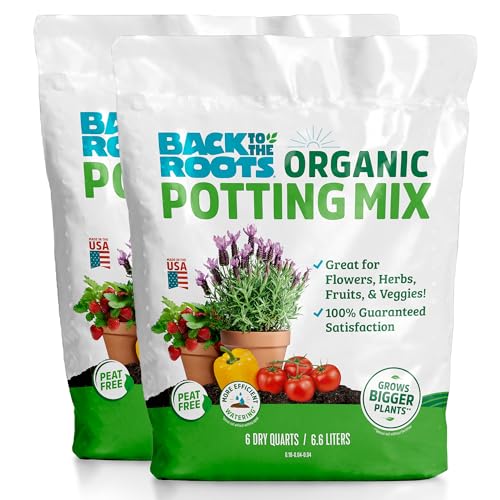
The Back to the Roots Organic Potting Mix stands out for being completely peat-free and 100% organic. Made from upcycled plant matter and wood fines sourced in the USA, this premium blend emphasizes sustainability with a lighter carbon footprint.
Its formula includes yucca extract to help control moisture and dolomitic limestone to balance pH, resulting in an ideal medium for growing herbs, vegetables, fruits, and flowers indoors. The mix is versatile and promotes healthy growth by maintaining moisture without waterlogging roots. Perfect for environmentally conscious vegetable gardeners.
Organic Plant Magic Compressed Organic Potting Soil

Organic Plant Magic offers a compact, compressed potting soil that expands up to four times its size when mixed with water. This makes it extremely convenient for indoor gardeners with limited storage space.
The soil is enriched with over 55 trace minerals and essential nutrients, delivering a superior nutrient profile for strong, vibrant vegetable plants. It has excellent moisture retention and supports water, air, and nutrient access to plant roots. This soil is suited for seeds, starts, container plants, and raised beds indoors, offering fast-acting yet long-lasting nutrition.
Buying Guide: Selecting the Best Soil for Your Indoor Vegetable Garden
Choosing the right soil for indoor vegetable gardening involves several key factors:
1. Nutrient Content and Release
Look for potting mixes that provide a balanced supply of essential nutrients and offer either immediate or slow-release feeding capabilities. Soils with organic amendments like compost, bat guano, or worm castings enrich the root environment, supporting vigorous growth.
2. Moisture Retention Without Waterlogging
Indoor environments can cause inconsistent watering, so a mix that holds moisture but also drains well is critical. Ingredients such as coconut coir, sphagnum peat moss, and perlite improve moisture retention while preventing root rot.
3. Aeration and Soil Texture
Light, aerated soil supports healthy root respiration. Avoid dense soils that compact easily. Look for mixes mentioning a fluffy texture or aerating components to maintain oxygen availability at the roots.
4. pH Balance
Vegetables generally prefer slightly acidic to neutral pH soil. Some premium soils are pH adjusted with lime or other additives to optimize nutrient uptake. Confirm the soil’s pH suitability for your specific vegetable varieties.
5. Organic and Sustainable Ingredients
Organic certification (such as OMRI listing) ensures the absence of synthetic chemicals harmful to edibles. Peat-free options reduce environmental impact, and the use of sustainable resources like coconut coir is preferable.
6. Usability and Convenience
Consider ease of use, including whether the soil comes compressed, the bag size, and suitability for containers or raised beds. Some soils provide longer feeding intervals, reducing maintenance frequency.
7. Intended Plant Types
Products labeled for vegetables are generally well-suited, but many premium soils work well across flowers, herbs, and shrubs. Validate the soil recommendations for your specific indoor plants.