
Growing vegetables in containers requires the right soil to ensure healthy root development, moisture retention, and nutrient availability. Selecting the best soil for vegetable container gardening enhances your plants’ growth and yield. Below is a summary table featuring some highly rated organic and premium potting soils, formulated specifically to meet the needs of container veggies.
| Product | Brand | Key Features |
|---|---|---|
| Miracle-Gro Organic Outdoor Potting Mix | Miracle-Gro | Quick-release natural fertilizer; OMRI listed; suitable for outdoor containers |
| Burpee Premium Organic Potting Mix | Burpee | Coconut coir for moisture retention; immediate & slow nutrient release; OMRI listed |
| Miracle-Gro Potting Mix for Container Plants | Miracle-Gro | Feeds plants up to 6 months; suitable for various container plants including veggies |
| Coast of Maine Organic Planting Soil | Coast of Maine | Enhanced drainage; includes composted manure and peat moss; versatile for vegetables |
| Espoma Organic Potting Soil Mix | Espoma | Contains earthworm castings, alfalfa, kelp, and feather meals; mycorrhizae blend included |
Miracle-Gro Organic Outdoor Potting Mix

The Miracle-Gro Organic Outdoor Potting Mix is tailored for outdoor container plants, including vegetables and herbs. Its quick-release natural fertilizer helps feed plants for up to two months, promoting rapid growth of container vegetables. The mix is crafted with peat sourced from certified producers, ensuring sustainability. It is OMRI listed, making it a suitable choice for organic gardening. Ideal for various container types, this mix balances water retention and aeration that container vegetable gardens require.
Burpee Premium Organic Potting Mix

Burpee’s Premium Organic Potting Mix is an all-natural blend featuring coconut coir, which excels at retaining moisture without waterlogging containers. This soil is enriched with plant food that provides nutrients immediately and continues feeding plants for three months, supporting steady growth of vegetable, flower, and herb containers. OMRI listed for organic use, this mix encourages strong seed and root development. It works well for both indoor and outdoor container gardens, making it a versatile option for vegetable gardeners.
Miracle-Gro Potting Mix for Container Plants

This Miracle-Gro Potting Mix pack contains two 16-quart bags ideal for filling containers of various sizes. It is engineered for container vegetable gardening, with a nutrient formulation that feeds plants for up to six months. The mix promotes vigorous growth, helping vegetables, herbs, flowers, and shrubs grow larger. Designed to support plant roots in constrained spaces, it combines water retention and aeration balance critical for container success.
Coast of Maine Organic Planting Soil for Vegetables

Coast of Maine’s Organic Planting Soil is a premium blend featuring composted manure and sphagnum peat moss to provide essential nutrients and structure needed for vegetable containers. It is formulated to maintain a balance between moisture retention and drainage, preventing both drying out and root rot. Suitable for transplanting and seeding, it works well in raised beds, pots, or in-ground gardens, delivering flexibility for different container gardening setups.
Espoma Organic Potting Soil Mix
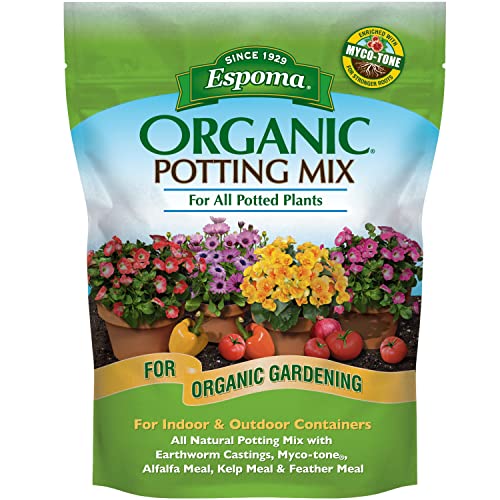
The Espoma Organic Potting Soil Mix blends sphagnum peat moss, humus, and perlite with natural amendments like earthworm castings, kelp meal, alfalfa meal, and feather meal. Its proprietary Myco-tone mycorrhizal inoculant supports root development and nutrient absorption in vegetable container plants. This potting mix is formulated for use both indoors and outdoors and promotes sustained plant health for herbs and vegetables grown in pots.
Buying Guide for Vegetable Container Gardening Soil
Choosing the right soil for container vegetables hinges on several critical factors to ensure plant health and productivity.
Key Considerations
- Soil Composition: Look for a mix rich in organic matter such as peat moss, coconut coir, or composted manure, which provide adequate water retention and aeration.
- Nutrient Content: Container soils should include a balanced supply of nutrients, with slow-release or quick-release fertilizers to support vegetable growth throughout the season.
- Moisture Retention & Drainage: A soil mix must hold moisture well without becoming waterlogged. Materials like coconut coir enhance water retention, while perlite or sand improves drainage.
- Organic Certification: For organic vegetable gardening, choose OMRI-listed soils that guarantee compliance with organic standards and avoid synthetic chemicals.
- pH Level: Soil pH should be near neutral to slightly acidic (6.0 to 7.0) to maximize nutrient availability to vegetable plants.
- Soil Texture and Aeration: The soil should be light and fluffy to allow roots to breathe and spread easily within confined container spaces.
- Plant-Specific Formulations: Some soils are specially designed for vegetables or tomatoes, containing amendments that cater to their specific needs.
Comparing Organic vs. Conventional Potting Soils
Organic potting soils typically include natural fertilizers and beneficial microbes that improve soil health over time. Conventional soils may rely on synthetic nutrients and may not support long-term soil biology or organic certification. For edible plants, organic mixes tend to be preferred.
Watering Frequency and Soil Life
Container soils dry out faster than garden soil, so selecting a soil that retains moisture yet drains well reduces watering frequency and prevents root diseases. Adding mycorrhizae or earthworm castings supports beneficial soil life for better nutrient uptake.
Container Type and Size
Heavier soils with high moisture retention may be ideal for large containers but problematic for hanging baskets or small pots. Consider soil weight and water-holding capacity based on your container style.
By evaluating these factors and selecting a quality potting mix from trusted brands, you can create the ideal environment for thriving container-grown vegetables.