
Raised garden beds provide an excellent environment for growing a variety of vegetables with improved soil control, drainage, and ease of access. Selecting the best vegetables for raised garden beds depends on bed depth, sun exposure, and your local climate. Below is a summary table of top raised garden bed options that support diverse vegetable growth, followed by detailed insights into each product’s features to help you optimize your gardening experience.
| Raised Garden Bed | Size & Depth | Material | Ideal Vegetables | Assembly |
|---|---|---|---|---|
| Best Choice Products 8x4x2ft Metal Raised Bed | 8′ x 4′ x 24″ deep | Steel | Broccoli, Beans, Other Deep-Root | Tool-Free Assembly |
| Best Choice Products 8x2ft Wooden Raised Bed | 8′ x 2′ | Natural Chinese Fir Wood | General Vegetables, Herbs | Pre-Sanded Panels Assembly |
| Best Choice Products 4x2x1ft Metal Oval Raised Bed | 4′ x 2′ x 12″ depth | Steel | Thyme, Dill, Other Shallow-Root | Tool-Free Assembly |
| Best Choice Products 48x24x30in Elevated Wooden Planter | 48″ x 24″ x 30″ tall | Chinese Fir Wood | Leafy Greens, Small Vegetables | Assembly with Screw-Fastened Posts |
| Best Choice Products 6x3x2ft Metal Raised Garden Bed | 6′ x 3′ x 24″ depth | Powder-Coated Steel | Broccoli, Beans, Romaine Lettuce | Tool-Free Assembly |
Best Choice Products 8x4x2ft Metal Raised Garden Bed
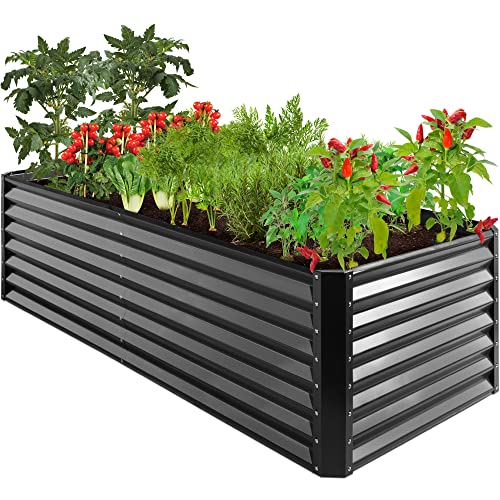
This metal raised garden bed provides a substantial 24-inch growing depth, holding up to 478 gallons of soil, which is ideal for medium to deep-rooted vegetables such as broccoli and beans. Its open base design is perfect for creating a compost bed by layering yard waste and food scraps, enriching the soil naturally. The ribbed steel adds stability and durability, while the tool-free assembly with wingnuts and bolts and rubber edging ensures safe setup and usability.
Best Choice Products 8x2ft Wooden Raised Garden Bed Planter

Crafted from natural Chinese fir wood, this wooden bed offers durability for all seasons and resists discoloration over time. Measuring 8 feet long and 2 feet wide, it maximizes growing space for vegetables, herbs, and flowers. The pre-sanded panels and dovetail joints ensure easy and sturdy assembly, while the included liner protects the wood from soil contact, extending the planter’s life.
Best Choice Products 4x2x1ft Metal Oval Raised Garden Bed

This smaller oval-shaped raised bed features a 12-inch soil depth with a 51-gallon capacity, making it perfect for shallow to medium-rooted herbs and vegetables like thyme and dill. Its modular design allows gardeners to customize plots to maximize sun or shade exposure. The tool-free assembly system with beveled steel and rubber edging ensures easy and secure construction.
Best Choice Products 48x24x30in Elevated Wooden Planter

This elevated planter, made from naturally durable Chinese fir wood, offers a large 5 cubic feet planting space with proper drainage to protect against waterlogging and mineral buildup. Standing 30 inches tall, it improves accessibility for those who prefer not to bend or kneel. Its water- and weather-resistant construction is suitable for growing leafy greens and other vegetables requiring good root space and aeration.
Best Choice Products 6x3x2ft Metal Raised Garden Bed
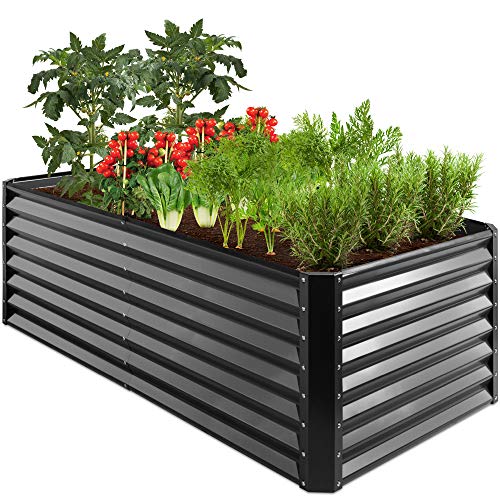
This metal planter offers a 24-inch depth and 269-gallon soil capacity for medium to deep-rooting vegetables including broccoli, beans, romaine lettuce, and cucumbers. The powder-coated steel construction provides durability against weather, and the convenient tool-free assembly featuring wingnuts and bolts with rubber edging prioritizes safety. This bed is well-suited for gardeners seeking a sturdy raised bed with excellent longevity.
Buying Guide: How To Choose The Best Raised Garden Bed For Vegetables
1. Bed Depth and Suitable Vegetables
Consider the root depth of the vegetables you plan to grow. Shallow-rooted herbs like basil or lettuce require 6-12 inches depth, while root vegetables like carrots and potatoes need 12-24 inches or more. Deeper beds also support larger plants like tomatoes and broccoli.
2. Material Durability and Maintenance
Metal beds (steel, galvanized) offer strong, long-lasting structures resistant to weather but can heat up in hot sun. Wooden beds, especially cedar or Chinese fir, provide natural insulation and aesthetic appeal but may require treatment or liners to prevent soil contact and rot.
3. Assembly and Accessibility
For ease, look for tool-free assembly or panels with screws and pre-drilled holes. Elevated beds or those with wheels benefit gardeners who need easier access or plan to relocate their beds seasonally.
4. Drainage and Soil Health
Good drainage is critical to prevent root rot and soil mineral buildup. Beds with open bottoms or built-in drainage holes allow excess water to escape, enhancing plant health.
5. Size and Space Utilization
Match bed dimensions to your available space and planting needs. Narrow beds (2-3 feet wide) allow easy reach from all sides without stepping into the bed. Longer beds maximize growing area but may require stepping over to access the middle.
6. Climate Considerations
Metal beds can absorb heat quickly, accelerating plant growth in cooler climates but potentially stressing plants in very hot regions. Wood may offer better temperature regulation but can degrade faster in wet conditions.
7. Versatility for Vegetable Types
Choose beds that accommodate both leafy greens and root crops if you want diverse planting. Consider also if the bed’s structure supports trellising or companion planting for climbing vegetables like beans or cucumbers.